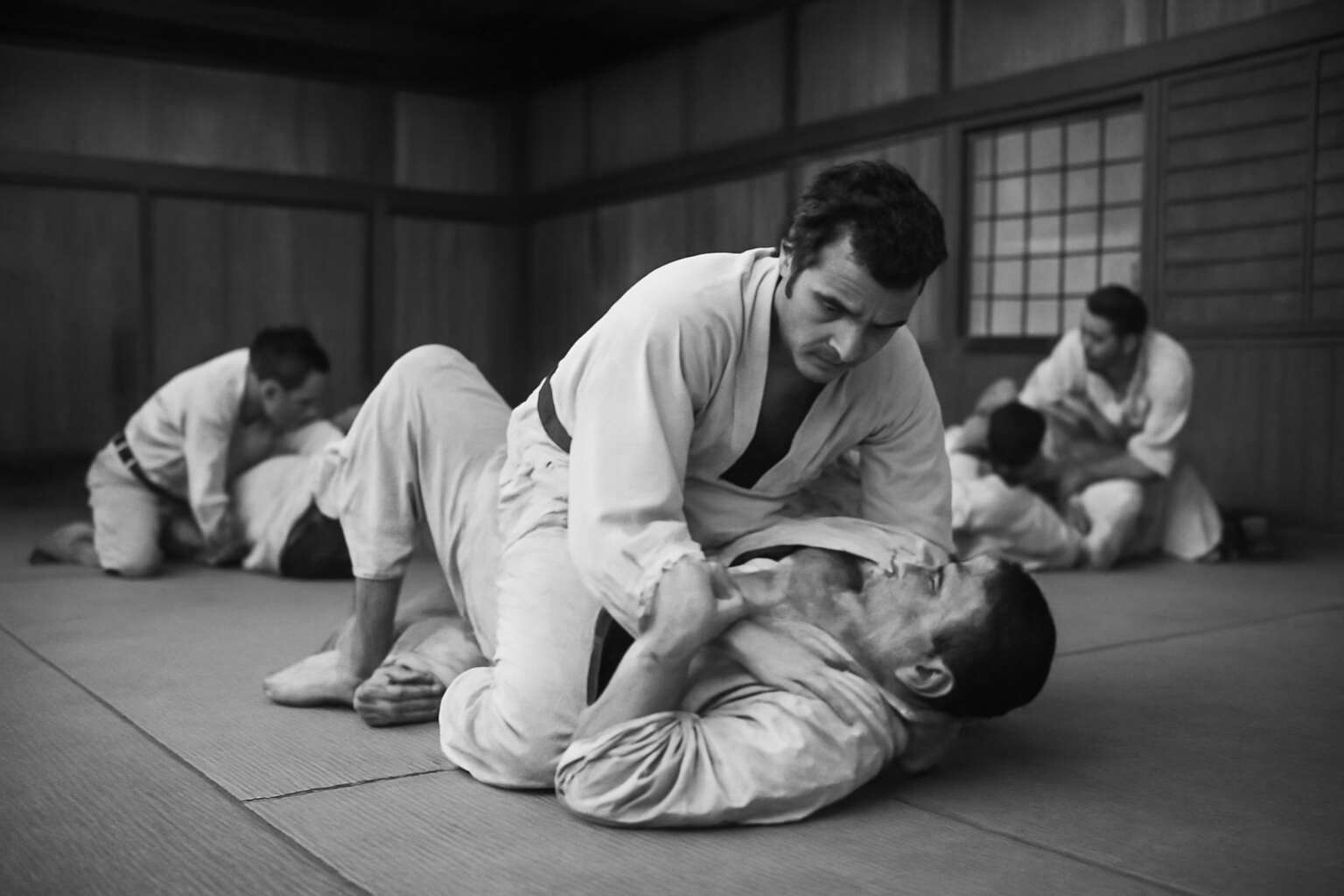
Origins, Evolution, and Global Impact of Brazilian Jiu-Jitsu
Origins and Early Roots in Brazil
Origins trace to the Gracie family’s garage experiments in early 20th-century Brazil, where borrowed Japanese jiu-jitsu was rewritten into a lean, leverage-first art. By the 1990s, hundreds of academies flourished across Brazil, turning spare rooms into laboratories of technique. That pragmatic ethos—outmaneuvering larger opponents with leverage and timing—tended to define the sport.
Evolution followed as practitioners formalized belts, rules, and competition formats, while the art spilled beyond Brazil’s borders.
- Formed belt progression and standardized competition
- Catapulted into global visibility via televised bouts
- Encouraged cross-training with judo and other grappling arts
Today, dojo floors from Cape Town to São Paulo echo the discipline and wit of the early garages. In the brazilian jiu jitsu history, its global imprint reshapes fitness, education, and sport, reaching South Africa’s urban gyms where talent, manners, and strategy mingle.
The Gracie Era and the Birth of Brazilian Jiu-Jitsu as a Discipline
From a dim garage to stadium glare, a quiet craft reshaped combat: brazilian jiu jitsu history is written in the language of leverage and timing. A televised 1990s bout lit a fuse that crossed continents, proving size yields to technique. Its dark elegance invites listening minds to the whispers of grips and angles.
As practitioners formalized belts, rules, and formats, garage myth faded and cadence sharpened. The Gracie era birthed a portable discipline. Here are milestones that shaped its evolution:
- Standardized belt progression
- Defined competition formats
- Cross-training with judo and grappling arts
These pillars carried the craft beyond Brazil’s borders, inviting new minds to test wit against mass.
Today, dojo floors span Cape Town to São Paulo, echoing the discipline and wit of garage days. The global imprint reshapes fitness and education, inviting South Africa’s urban gyms to read the brazilian jiu jitsu history in each grip and hip.
Globalization Through Competition and Media
From a dim garage to stadium glare, brazilian jiu jitsu history shows how leverage and timing rewrite the rules of engagement. A late-90s televised bout lit a fuse that crossed continents, proving that skill outworks size. That spark pulled curious minds into mats from Cape Town to São Paulo, turning a quiet craft into a global language of grips and hips!
Evolution followed with discipline: belts sharpened, rules formalized, and formats standardized. The sport matured through cross-training in judo and grappling arts, while global circuits like the IBJJF World Championships and ADCC showcased grappling on bigger stages. Media and streaming turned highlights into habit, fueling the rise of modern competition.
- Global competition circuits (IBJJF World, ADCC)
- Media exposure via streaming, pay-per-view, and social clips
- Cross-training that fused judo, wrestling, and MMA approaches
Today, the global impact is visible in South Africa’s urban gyms, universities, and weekend tournaments, where practitioners blend sport science with tradition. This momentum threads local communities into a worldwide mats network and a shared language of grips, hips, and strategy.
Modern Era: Legacy, Innovation, and Cultural Impact
In the modern era of brazilian jiu jitsu history, a spark born in a handful of garages now powers urban gyms across South Africa. Streaming data hints at a double-digit surge in grappling viewership over the last decade, turning tiny mats into global conversations. The cadence of grips, hips, and breath reveals a lineage that feels less relic and more living code.
Evolution wears many hats: belts signaling mastery, rules that adapt without erasing lineage, and cross-pollination with judo, wrestling, and MMA that sharpen entries and escapes. In SA clinics, practitioners blend biomechanics with tradition, turning technique into a repeatable, studyable craft rather than chance moves.
- Performance analytics and sports science integration
- Global streaming communities driving participation
- Community mentorship and youth outreach in urban centers
This brazilian jiu jitsu history threads into universities, weekend tournaments, and civic clubs across South Africa, weaving a worldwide mats network that binds local pride to global kinship.




0 Comments