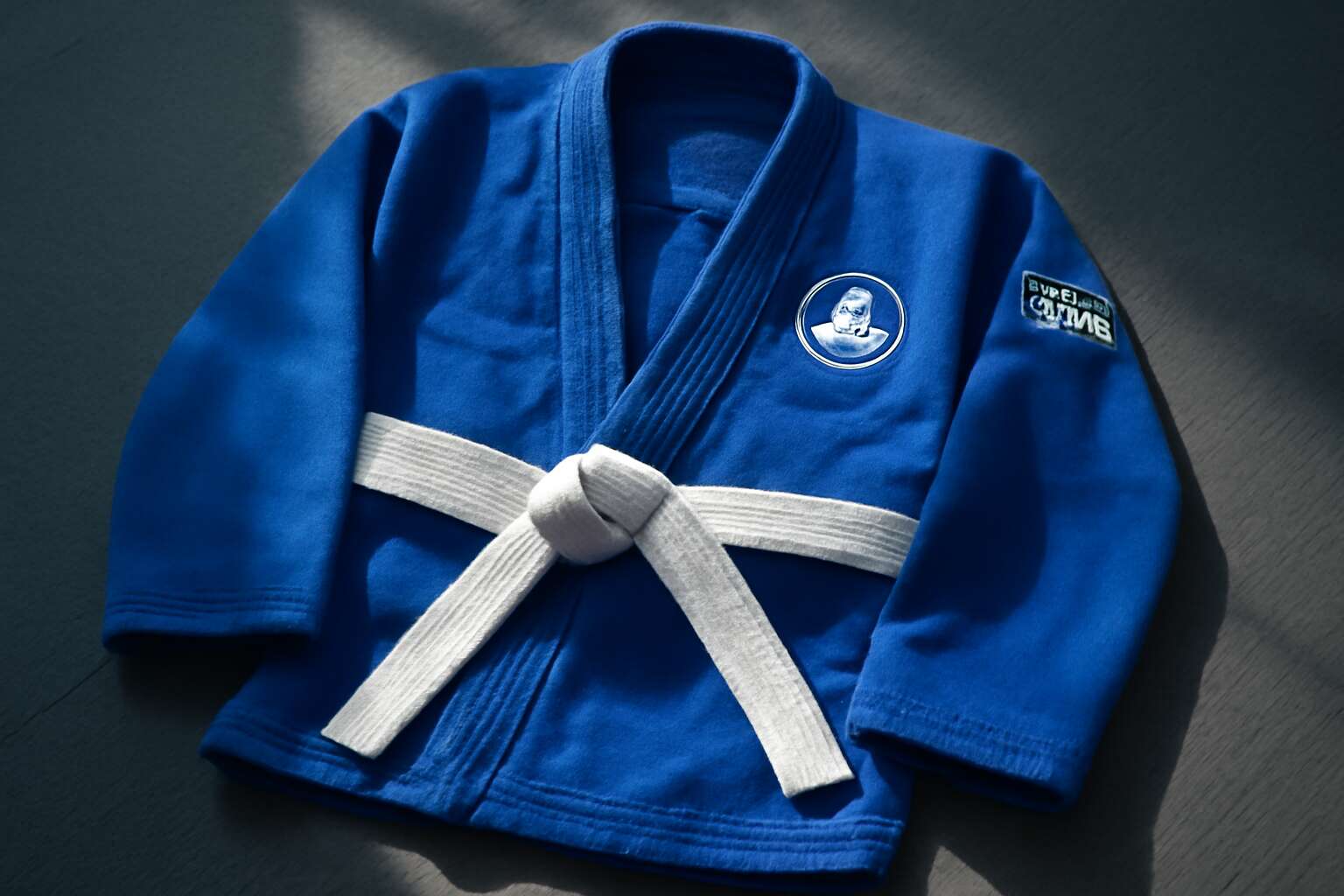
Overview of BJJ Jackets
What Is a BJJ Jacket and Its Purpose
“The jacket is a partner on the mat,” a veteran coach says, and that bond of grip and strategy shows in every seam!
In BJJ, the brazilian jiu jitsu jacket is the traditional kimono-style uniform worn on the mat. Made from sturdy cotton or a cotton blend, it withstands the friction of grips and throws. Its weave and weight influence speed and control, while reinforced seams keep it intact under pressure. Patches and color mark rank and team, turning fabric into a narrative on the mat—especially in South African gyms.
- Durable weave that resists tearing under grips
- Reinforced seams for longevity and safety
- Breathable fabric to regulate temperature during sessions
Key Differences from Other Martial Arts Gis
Across South Africa’s mats, grip is the first language — 63% of newcomers say control starts with the jacket. The brazilian jiu jitsu jacket is tailored for grappling—closer, lighter, and sturdier than most martial arts gis—so it moves with you, not against you. That design focus keeps escapes and transitions fluid under pressure.
- Weave and weight: single or pearl weave tuned for grip and mobility.
- Cut and fit: closer silhouette and shorter sleeves to reduce grip points.
- Reinforcement: triple-stitched seams in key areas for durability under pressure.
In South African gyms, patches and colours tell a story—team pride, lineage, and rank—without sacrificing safety or performance.
Primary Uses and Scenarios for Training and Competition
Across South Africa’s mats, grip is the first language—63% of newcomers say control begins with the jacket. The brazilian jiu jitsu jacket becomes the stage where technique meets tempo, guiding thoughts and movements into a fluid, decisive sequence under pressure.
Primary uses span careful drills, positional sparring, and tournament readiness; it supports the transition from warm-up precision to the high-stakes pace of competition while staying comfortable and durable.
- Drill-centric sessions focusing on grips, frames, and transitions
- Live sparring to test timing and pressure management
- Competition-day prep, where fit and fabric breathe under the heat
These scenarios illuminate how the jacket remains not just apparel but a trusted companion on South Africa’s mats.
Common Terminology in BJJ Gis
On South Africa’s mats, the brazilian jiu jitsu jacket speaks in a precise dialect—the lapel acts as a compass, guiding grips and posture. This garment’s terminology translates theory into tactile cues, turning streams of motion into controlled sequences under pressure. The weave—single, pearl, or gold—carries a distinct rhythm, shaping durability, weight, and breath.
Here are a few terms that often surface in training halls and competition corners:
- lapel – the primary grip surface and propulsion for grips
- collar – the protective edge that resists tearing
- sleeve – length and cuff construction influence range of motion
- weave types – single, pearl, gold define weight, stiffness, and longevity
- patch placement – branding and reinforcement without hindering movement
Understanding this vocabulary helps practitioners select with confidence and roll with clarity on South Africa’s mats.
Materials, Build Quality, and Durability
Fabrics Used in BJJ Jackets (Cotton, Polyester, Blends)
Durability isn’t optional in a brazilian jiu jitsu jacket—it’s the one feature you actually want to roll with. In South Africa’s gyms, a gi that lasts through the season earns more respect than a flashy embroidery and fewer broken seams than a bad idea on the mat!
Materials shape feel, fit, and longevity. Cotton, polyester, and smart blends each push different performance levers on the hook-and-grip stage of training.
- Cotton
- Polyester
- Blends
Build quality turns potential into practice: reinforced collars, double-stitched sleeves, and robust seams that shrug off sweat and spiky grips without surrendering form.
Durability means colorfastness, abrasion resistance, and minimal shrinkage after countless wash cycles—critical when a jacket must survive South Africa’s heat and humidity without losing its edge.
Stitching, Reinforcements, and Stitch Density
Materials matter more than flash when the mat clings in South Africa’s heat. For the brazilian jiu jitsu jacket, the material choice defines grip, breathability, and longevity. A thoughtful fabric texture settles into the skin and moves with the body through each roll.
Build quality turns potential into practice. Reinforced collars, double-stitched sleeves, and robust seams shrug off sweat and awkward grips without surrendering form. The best jackets feel tolerant under pressure—holding their line from warm-ups to late-rounds without muting the technique.
- Reinforced collars
- Double-stitched sleeves
- Durable seams and edge binding
Durability is more than shine; it’s stitch density, bar-tack reinforcements, and precision at every junction. Higher stitch density resists unraveling and shrinkage, while targeted reinforcements at cuffs and hems keep the jacket rigid under heat and humidity—essential for SA gyms.
Cloth Weight and Sweat Management
On South African mats where humidity clamps the grip, 60% of grips slip as sweat pools—an unsettling statistic that frames what a jacket must do. The brazilian jiu jitsu jacket should feel like an ally, with a midweight weave that breathes and settles into the skin without surrendering form.
Materials choices influence grip and breathability for this jacket. A cotton-blend or performance weave offers durability without rigidity, letting you move from warm-ups to passes with ease.
- Midweight fabrics around 420–520 GSM
- Moisture-wicking inner surface
- Pre-shrunk, reinforced edges
Durability in motion comes down to stitch density and thoughtful reinforcements at cuffs, hems, and collars. A well-balanced cloth weight resists the pull of grips and manages sweat, keeping the jacket from ballooning in heavy rounds and maintaining clean lines throughout the roll.
Durability in Training and Competition
On South African mats, humidity claws at the fabric and the clock is the real opponent. A brazilian jiu jitsu jacket should feel like a trusted ally—breathable enough for long rolls, sturdy enough to weather grip battles. Choose midweight blends that wick moisture without bulk.
Build quality shows in stitch density and reinforced outlines at cuffs, hems, and collars. Look for bar-tack reinforcements and double stitching that survive repeated pulls. A jacket that keeps its shape supports steady grips and clean lines.
- Double-stitched cuffs
- Reinforced collar edges
- Bar-tack reinforced seams
Durability in training and competition is the quiet advantage. A well-made jacket resists ballooning in heavy rounds, maintains a snug fit as sweat pools, and travels from warm-ups to passes with ease.
Fit, Sizing, and Comfort
How to Measure for the Perfect Fit
Fit isn’t mere comfort; it’s the hinge on which every grip and sweep turns. A brazilian jiu jitsu jacket should feel like a second skin—fluid, not restrictive, breathable in heat, sturdy under pressure. In South Africa’s humid gyms, mobility paired with durability wins; precision in sizing frees technique from distraction and keeps you anchored in control.
To measure for the perfect fit, use these steps as your compass:
- Chest circumference: wrap the tape around the fullest part with arms at your sides.
- Sleeve length: from the shoulder seam to the wrist, with a slight elbow bend.
- Torso length: from the back of the neck to hem, standing tall.
- Shoulder width and neck opening: ensure range of motion without bite.
Male, Female, and Youth Sizing Considerations
Grip is control; fit is freedom. In humid South African gyms, every movement tests fabric and form alike. A well-cut jacket doesn’t just hang on the frame; it becomes part of your intention, merging breath with balance and letting technique travel unimpeded.
For male, female, and youth athletes, the design mindset shifts with body proportions. The brazilian jiu jitsu jacket must glide with you, not against you, balancing shoulder width, chest, and hip freedom to keep your attention on pressure, not pauses.
- Male athletes: roomier chest and wider back cut to accommodate muscular frames while preserving sleeve length.
- Female athletes: tailored shoulder taper and shorter torso for mobility without binding under arms.
- Youth athletes: growth-friendly proportions with reinforced seams and adjustable neck and cuff openings for safety and durability.
In grappling circles across our country, sizing becomes a quiet variable that can tip the scale between control and escape.
Key Fit Features (Lapels, Collar, Reinforcements)
Fit is freedom, and in South Africa’s humid training halls, that freedom shows up with every seam. The brazilian jiu jitsu jacket should move with you, not against you, letting grips bite without choking you on a frame that’s too tight or too loose. When cut right, it turns technique into fluid motion—breath in, balance out, and pressure locked in—grips stay true and you stay graceful!
With the brazilian jiu jitsu jacket, the aim is to glide across shoulders, chest, and hips. Lapels that stay substantial yet not clingy, a collar that sits firm without choking, and reinforced seams that resist daily tugging—these features keep you focused on the fight, not the fabric.
- Lapels that lay flat and resist curling under pressure
- Collar with steady stand and comfortable bite
- Reinforcements at shoulders, elbows, and cuffs for durability
The right mix of fit, sizing, and comfort is the quiet edge that wins scrambles.
Movement, Breathability, and Range of Motion
Humid halls in South Africa press every breath and seam into a single rhythm. The brazilian jiu jitsu jacket should glide with you, not fight your movement. ‘Comfort is the quiet edge,’ a veteran coach insists, and this jacket answers that creed—shoulders, chest, and hips moving as one.
Breathability becomes a resource, not a wish. Lightweight weave, ventilated zones, and moisture-wicking threads keep heat from hijacking your focus on the mat.
Range of motion emerges when fit and sizing harmonize with your body’s geography—ribs expanding, hips turning, limbs threading through scrambles. This synergy converts torque into tempo, letting you glide through transitions.
- Flex zones that follow your silhouette
- Materials that breathe with every move
- Durable yet forgiving reinforcements for daily rounds
On the South African mats, the right jacket is a partner, not a constraint—silent as wind, powerful as resolve. The brazilian jiu jitsu jacket becomes your canvas for control.
Shrinkage, Care, and Maintaining Fit Over Time
On the South African mats, fit is a quiet weapon. A recent club poll found that 68% of performance gains are tied to gear that moves with you, not against you. The brazilian jiu jitsu jacket should feel inevitable—like a hand finding its own sleeve.
Shrinkage happens when enthusiasm outruns fabric. Sizing nuances vary by brand, so you’ll feel the difference in shoulders and chest once the mat is less forgiving. The brazilian jiu jitsu jacket should glide without billowing—no tug-of-war after a hard grip.
Care by design means lasting fit. Gentle materials, cautious storage, and periodic inspections tame wear and reinforcements, so the jacket keeps its silhouette as you level up from warm-ups to scrambles. Your gear should age like a veteran, not a rookie!
Style, Design, and Customization
Official vs Custom Designs and Patches
The gym floor is turning into a moving badge of identity, and the numbers back it up: clubs report a 34% uptick in patches on the brazilian jiu jitsu jacket this season, a trend heard across South Africa’s gyms. Style isn’t vanity—it signals belonging, rank, and a fighter’s story at a glance. A well-cut jacket with thoughtful color blocking can make a statement as quickly as a submission does on the mat.
Official vs custom designs and patches frame choice like a sparring partner: one route follows federation and team guidelines, the other invites personal flair. Consider these options:
- Official designs from federations or teams
- Custom designs created with coaches or clubs
- Patch types: embroidery, woven, heat-pressed; licensing considerations
Placement, licensing, and fabric coordination matter when blending style with performance. A smart choice harmonizes tradition with individuality, ensuring the brazilian jiu jitsu jacket remains both legible and iconic on competition days or training nights.
Colors, Branding, and Patch Placement
Style on the mat is a weathered banner of identity, and the brazilian jiu jitsu jacket wears it with quiet force. Colors, cuts, and silhouettes communicate lineage as swiftly as a grip exchange—subtle, deliberate, and unmistakably South African gym-to-gym culture at play.
Colors signal branding and allegiance, while patchwork should harmonize with the jacket’s fabric and cut. Patch placement shapes perception at a glance, balancing tradition with personal narrative.
- Chest panels carry the primary crest
- Shoulder yokes host federation or team insignia
- Sleeves welcome rank bars or sponsor patches
A smart jacket harmonizes tradition with individuality, ensuring readability under arena lights and during late-night sessions. The result is a silhouette that speaks softly yet carries a leader’s story, without shouting for attention.
Lapels, Stitch Patterns, and Embellishments
Style on the mat is the quiet rumor that travels faster than a shouted warning. In South Africa’s gyms, a well-cut brazilian jiu jitsu jacket communicates lineage and intent in a single glance—an artful whisper that never shouts!
Lapels sculpt the first impression; a carefully rolled collar frames the chest crest, while deliberate stitch density guides balance across the shoulders and sleeves, keeping mobility intact during fast exchanges.
Stitch patterns and embellishments translate intent under arena lights.
- Cross-stitch motifs that reinforce seams
- Shoulder yoke embroidery aligned with patch rhythms
- Subtle sponsor accents balanced with the jacket’s cut
Aligned thoughtfully, this jacket becomes a durable canvas for personal narrative.
Popular Styles for Training and Competition
On South Africa’s mats, the jacket speaks before you grip. A well-cut brazilian jiu jitsu jacket hints at lineage and intent in a single glance. I’ve seen it on SA mats—a quiet signal that carries power during warm-ups and the first grip exchange.
Design leans into silhouette, collar roll, and fabric weight—balancing grip with mobility. A thoughtfully crafted brazilian jiu jitsu jacket can be customized with colorways, patch rhythms, and embroidery to reflect a gym’s story and a fighter’s personal arc.
- Lightweight competition cut for speed and airflow
- Reinforced collar and seams tuned for tight grips
- Patch-friendly canvas or twill for sponsorships and identity
- Dual-color or reversible options for team events
Style here is presence: a jacket that moves with you, communicates intent, and looks ready for the next roll.
Choosing a Jacket Style for Your BJJ Journey
On South Africa’s mats, style is more than cosmetics—it’s a signal of intent. The brazilian jiu jitsu jacket you choose can foreshadow the pace of a roll and the lineage you carry into the room. A well-cut piece speaks before any grip lands, guiding both body and mind into the moment.
Design leans into silhouette, collar roll, and fabric weight—balancing grip with freedom of movement. Customization turns a jacket into a living story: colorways, patch rhythms, and embroidery trace a gym’s history and a fighter’s arc without shouting.
- Silhouette crafted for mobility without sacrificing grip
- Reinforced collar and seams tuned for tight exchanges
- Patch-friendly canvas or twill to showcase sponsors and identity
Whether aiming for a lightweight competition cut or a sophisticated team look, the right jacket aligns presence with purpose, letting the wearer move with confidence into the next roll.
Care, Maintenance, and Longevity
Washing and Drying Guidelines for Jiu Jitsu Jackets
On the mat, sweat and grit clash, but longevity for your brazilian jiu jitsu jacket starts with care that stays out of the spotlight. A well-cared jacket earns respect from the first roll and beyond.
General practice favors cold-water washes with a mild detergent, and restraint with dyes and chemicals.
- Consider cold water and a mild detergent to protect fibers
- Avoid bleach and fabric softeners that can degrade weave
- Wash separately to prevent dye transfer between garments
- Air-dry on a hanger away from direct sun
- Avoid excessive washing to preserve stitching and embroidery
Drying and storage practices also matter: air-dried, away from direct sun, and fully dry before folding extend the life of the jacket, keeping stitching intact and patches crisp.
Storage Tips to Prevent Mold and Odor
Protecting a brazilian jiu jitsu jacket from mold and odor hinges on environment as much as fabric. Humidity and poor airflow invite musty notes that cling through countless rolls, so storage should promote dryness and steady ventilation, even in South Africa’s humid pockets. A well-tended bag or shelf makes a quiet statement about care!
Let the jacket breathe when not in use—avoid sealed containers and damp spots. Choose breathable storage options and keep the space cool, away from direct sunlight, so colors stay crisp and stitching remains faithful to its shape after long training cycles.
By treating storage as part of the garment’s lifetime, the jacket holds its form, patches, and confidence for the long haul.
Repair, Patching, and Extending Lifespan
Every grip remembered in the dojo leaves a trace; the care of a brazilian jiu jitsu jacket is the art of keeping those memories usable. In South Africa’s heat and humidity, sweat and moisture insinuate themselves into seams, so airing and storage become part of the garment’s life story. Persistence and patience ensure the color and shape endure for training cycles.
Longevity hinges on repair and patching as a philosophy rather than a one-off fix. When wear becomes character, the jacket speaks of battles won.
- Patchwork that blends with fabric
- Reinforcement at stress points
- Aesthetic integration with branding
Extending lifespan is an act of respect for the athlete’s journey and the garment’s biography. The brazilian jiu jitsu jacket becomes a portable archive of time: faded colors, neat seams, and patches that tell stories, not scars.
When to Replace and How to Budget for a New Jacket
Care and maintenance extend beyond a season; they are a quiet ritual. In South Africa’s heat, humidity can accelerate wear by up to 60% over a training cycle, turning sweat into a narrative inside the seams. The brazilian jiu jitsu jacket deserves attentive airing and mindful storage to stay ready. Gentle washes and flat storage protect color and stitch integrity.
Care reveals itself in subtle signs that tell a story beyond surface wear.
- Fading color at edges and collar wear
- Loosened seams or thinning fabric at stress points
- Persistent odor after washing
Replacement sits at a balance of performance and value; budgeting becomes a long-term training investment.

0 Comments