Comprehensive outline for the creation of Brazilian Jiu-Jitsu
Origins and early roots of Brazilian Jiu-Jitsu
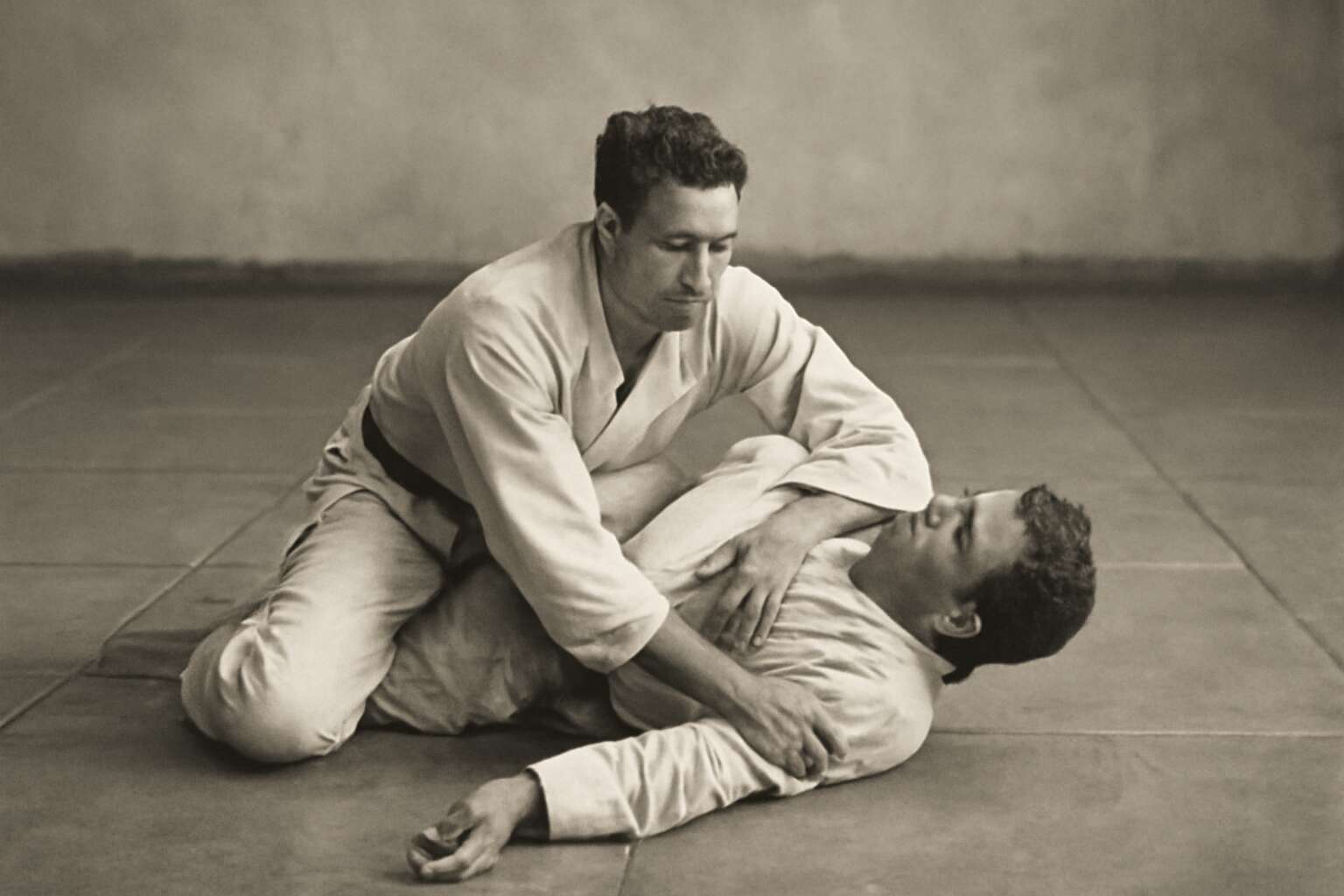
Brazilian Jiu-Jitsu didn’t spring from a lab; it grew on a Rio de Janeiro mat, shaped by family discipline and practical leverage. For readers wondering when was brazilian jiu jitsu created, the timeline traces a 20th-century fusion of Japanese technique, Brazilian adaptation, and communal competition that traveled from kitchens to gymnasiums across continents. It still informs how clubs in South Africa present the art today.
Key steps in its origin include:
- Mitsuyo Maeda brings jiu-jitsu concepts to Brazil, sparking dialogue with local instructors
- Carlos and Hélio Gracie adapt the art for smaller frames and real-world control
- The discipline migrates from private homes to public clubs and competitions, evolving into Brazilian Jiu-Jitsu as a distinct system
Today in South Africa, these roots shape classrooms and clubs that emphasize technique over bravado, teaching practitioners how leverage, timing, and patience translate into practical self-defense and sport.
Key milestones in the formation and development
From kitchens to continents, the art braids a patient odyssey that reshapes how we fight and train. For those asking when was brazilian jiu jitsu created, the answer threads through a 20th‑century tapestry of dialogue, adaptation, and shared mats that crossed oceans.
Key milestones shaped the trajectory, moving from private seminars to public clubs, and from family led testing to formal competition.
- The emergence of Brazilian Jiu-Jitsu as a distinct system
- Global spread through demonstrations, tournaments, and evolving coaching methods
- Athletic validation with modern competitions and the sport’s inclusion in academies worldwide
Back home in South Africa, these strands translate into classrooms that prize balance, timing, and deceptive quiet—where leverage becomes a language and patience a practice.
An ancient mat tale continues to unfold on SA mats and in gyms, inviting practitioners to walk the line between artful control and fearless movement.
Transition to a modern sport and global spread
Today there are tens of thousands of BJJ academies in more than 150 countries, a statistic that hints at a quiet global revolution. The transition from private seminars to public clubs is not merely a growth story; it’s a culture of coaching, competition, and shared mats across oceans. This curiosity—when was brazilian jiu jitsu created—drives gym talk!
To outline the journey succinctly, these pillars anchor the transition to a modern sport and its global spread:
- Standardized rules and weight classes that made competition meaningful beyond clubs
- Structured coaching networks and cross‑continental speaker exchanges
- Accessible academies, franchising, and media partnerships that invite new practitioners
Back home in South Africa, these currents translate into classrooms that prize balance, timing, and deceptive quiet—where leverage becomes language and patience a practice. The ongoing ripple across SA gyms mirrors the global arc, quietly reshaping how we move, measure effort, and learn to listen.
Cultural impact, myths, and historical documentation
A quiet revolution unfolds on gym floors from Cape Town to Johannesburg, and the question behind it is more than a date. The elusive ‘when was brazilian jiu jitsu created’ threads through workshops and mat debates, not as a timeline but as a map of ideas. The culture it nurtures—discipline, dialogue, and shared practice—reaches schools, clubs, and family stories across South Africa.
Three enduring myths travel with its history:
- Myth: it’s solely sport; reality: it blends self-defense, philosophy, and mentorship.
- Myth: Brazil alone created it; reality: it grew through exchange, families, and countless instructors.
- Myth: records don’t matter; reality: stories, gym logs, and match footage preserve the lineage.
As a living archive, stories migrate from lockers to university shelves—interviews with veterans, digitized match footage, and museum labels tracing a heritage of technique and ethos. In South Africa, these threads become classroom narratives that honor patience, balance, and the quiet power of shared mats.



0 Comments