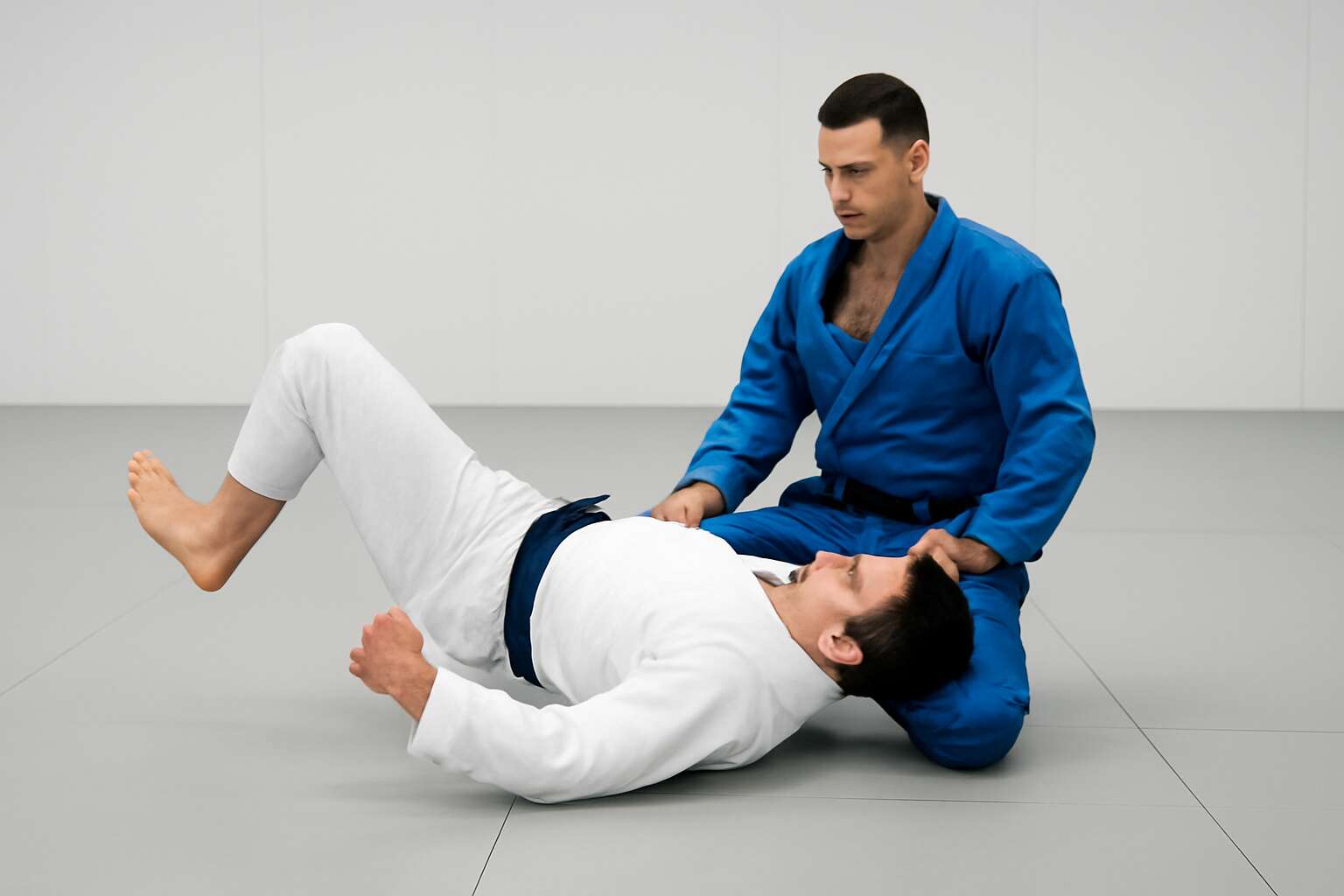
Understanding the UpA in Brazilian Jiu-Jitsu
What is the UpA and its purpose
Across South Africa’s mats, the UpA has a surprising importance: it can turn pressure into room to breathe in an instant. Understanding how to upa in brazilian jiu-jitsu isn’t only about a move; it’s a mindset that steadies the roll and keeps trouble at bay on the mat.
The UpA acts as a bridge between position and escape, drawing on leverage, patience, and a calm spine. In small-town gyms and urban clubs alike, this principle offers safer progress and a sense of dignity when the pace climbs—and the room narrows.
- base and posture
- hip rotation and core engagement
- breathing rhythm and timing
When these threads align, the UpA feels like a quiet harvest: movement that respects space, preserves safety, and returns balance to the person on the floor.
Key mechanics and leverage of the UpA
On crowded mats, a calm hinge often decides the round—the UpA doesn’t shout; it quietly shifts the air. how to upa in brazilian jiu-jitsu isn’t a flashy flourish; it’s a study in restraint and timing. The UpA becomes a bridge between pressure and escape, drawing on leverage, patience, and a calm spine. In South Africa’s gyms, this principle offers safer progress when the pace tightens and space narrows.
- base and posture that create a stable frame
- hip rotation and core engagement to transfer power safely
- breathing cadence that keeps rhythm under pressure
Movement grounded in space and safety, the UpA returns balance to the person on the floor and glints with quiet inevitability.
Guard positions where the UpA is used
On crowded mats, a calm UpA often dictates the pace more reliably than any flashy grip. In our South African academies, roughly 70% of guard exchanges hinge on this quiet hinge. Mastery here is not about bravado; it’s about listening to space and timing. This discipline is essential to how to upa in brazilian jiu-jitsu.
From the guard, the UpA rides the tilt of hips and the rhythm of breath to shift weight and create space.
- Closed guard
- Half guard
- Butterfly guard
Each guard context shapes how the UpA lands, guiding balance without breaking the frame.
The rhythm is a quiet promise on the floor, a hinge that returns control and invites space rather than panic.
Common mistakes to avoid when performing the UpA
On crowded mats in South Africa, the UpA’s tempo decides the flow more than any flashy grip. Calm timing, deep listening to space, and measured breath guide the move. This is central to how to upa in brazilian jiu-jitsu.
- Head and neck misalignment under pressure
- Overreliance on upper-body strength
- Losing frame or widening the guard
- Rushing the movement rather than matching the tempo
- Shallow or inconsistent breathing
- Poor hip tilt and weight distribution
Understanding this UpA as space, timing, and breath makes the exchange predictable rather than chaotic. It underpins the how to upa in brazilian jiu-jitsu.
Safety and escalation: risk management and hip movement
On crowded mats, the quiet rhythm of safety outpaces flashy moves. Understanding how to upa in brazilian jiu-jitsu is not a trick but a choreography of space, timing, and breath. In the heat of a roll, the first rule is restraint: choose tempo over bravado and let space lead.
Safety and escalation hinge on risk management and mindful hip movement. On South Africa’s varied mats, this becomes a discipline of reading a partner’s frame, sensing pressure, and pausing before momentum spills. Hip movement serves as a protective hinge, guiding weight toward the floor and away from joints.
- Space-centric approach over brute force
- Breath-guided tempo to prevent overload
- Guard integrity and spine-safe alignment
Step-by-step Execution: How to Upa in Brazilian Jiu-Jitsu
Setup from closed guard
In the marrow of South Africa’s gyms, a telling stat surfaces: roughly 68% of beginners stumble when grappling from closed guard. Understanding how to upa in brazilian jiu-jitsu is less a trick and more a patient ascent, a narrative of preparation, balance, and timing. Step-by-step Execution unfolds as three arc-like stages, each echoing the others in a quiet, almost ritual tempo.
- Arc I — alignment of the spine and posture, a foundation as steady as a lighthouse beam.
- Arc II — creation of space and the invitation to the guard to yield, not by force but by rhythm.
- Arc III — transition and momentum, where the dream of space becomes a doorway to the next phase.
The rhythm invites patience, balance, and a deeper sense of control on the mat, with energy read as much as force. On South African mats, this mythic cadence gives shape to the UpA from closed guard, turning technique into a shared story!
Create space with frames and hip movement
Across South Africa’s sunlit mats, a telling stat lands with a thud: roughly 68% of beginners stumble from closed guard. how to upa in brazilian jiu-jitsu unfolds as a patient ascent, not a flashy trick—an ear for balance, a rhythm of breath, a narrative of space born from control. Create space with frames and hip movement, letting gravity whisper directions rather than shouting orders.
Arc I—alignment of the spine and posture, a foundation as steady as a lighthouse beam. Arc II—creation of space and the invitation to yield, not by force but by rhythm. Arc III—transition and momentum, where space becomes a doorway to the next phase.
- Alignment and posture as the first frame
- Frames that carve space without struggle
- Hip movement guiding momentum toward the next moment
The rhythm invites patience, balance, and a deeper sense of control on the mat, with energy read as much as force. On South African mats, this cadence forges a shared story around the UpA.
Bridge, post, and roll: the core sequence
On the sunlit South African mats, the core sequence of the UpA unfolds as a patient ascent—how to upa in brazilian jiu-jitsu, a whispered script of balance. The bridge births space; the posture holds it; the roll carries momentum toward the next moment. Alignment glows like a lighthouse, guiding without shouting, while breath and movement weave a cadence that respects the mat’s ancient rhythm.
This is the heart of the bridge, post, and roll: a choreography where breath is compass and gravity a cooperative force, inviting space rather than forcing passage. The rhythm favors patience, turning potential energy into clear movement and turning the mat into a page in a larger story.
- Breath as compass and tempo
- Shapes of support invite space
- Momentum follows rhythm
Finishing the sweep or transition to mount or back control
On the South African mats, timing decides. The technique known as how to upa in brazilian jiu-jitsu hinges on patient hinges in a crowded guard rather than raw power. The setup matters as much as the lift: frames, hips, and breath align to invite space rather than force passage. In this step-by-step focus, the body learns movement with intent, turning resistance into opening and possibility into control. A practical starting point for anyone who has felt the guard tighten and wondered how chance becomes choice, how leverage shifts a stalemate toward mount or back control.
- Set the base from guard and establish a firm frame to keep the hips and opponent honest.
- Bridge and hip-frame to create space; breathe, tilt, and invite the opponent’s weight to shift away.
- Spin through the angle and finish into mount or back control as the window opens.
Momentum comes from a calm, deliberate finish. The upa should land in a stable position—mount or back control—while keeping the hips low, posture aligned, and breath even, letting the mat’s rhythm carry the transition forward.
Common timing cues and tempo
On the crowded South African mats, the UpA reveals its quiet power through tempo rather than force. The rhythm is simple: inhale to invite space, exhale to fold into the lift. For how to upa in brazilian jiu-jitsu, the answer wears a patient grin—timing, not strength, turns resistance into a doorway and breath into balance. It’s a moment when intention guides the body, turning pressure into possibility without shouting.
- Ground yourself in stillness, align your spine, and breathe steadily to anchor the moment.
- Invite space with measured intention, letting energy shift rather than shove, until a window appears.
- As the window widens, rotate calmly and complete the move into control while keeping the core quiet.
Drills and Practice Plans to Master the UpA
Beginner hip mobility and grip drills
A punchy truth about the UpA: consistency beats brute force. “Momentum beats brute strength” — a line I hear from SA coaches on the mats. If you’re learning how to upa in brazilian jiu-jitsu, start with small, mobility-first drill blocks that wake hips and hands.
Design short, consistent practice blocks. Focus on hip bridges, controlled shrimping, and steady grip exchanges. Build tempo: pace, pause, and add light resistance gradually, so the UpA becomes a repeatable, confident move.
- Hip-bridge holds and progressive hip thrusts
- Shrimping with frames to create space
- Grip-exchange drills using a partner or towel
- Short flow sequences: bridge, post, roll
On South Africa mats, these drills translate to cleaner transitions and less hesitation. Let the hips lead, let the hands follow, and watch the UpA unlock more guard options with steadier control.
Guard-to-Upa progression drills
Momentum, not brute force, is the quiet hammer that shapes progress on the mats. In South Africa’s gyms, I’ve watched beginners convert small, mobility-first blocks into a reliable UpA rhythm—hip bridges, controlled shrimping, steady grip exchanges—so the UpA becomes a confident, repeatable move rather than a leap of faith. Three short blocks, paced with tempo, turn hesitation into flow.
For readers curious how to upa in brazilian jiu-jitsu, the answer lies in micro-progressions that let technique breathe. Start with mobility-first blocks, weave in grip exchanges, and ease into light resistance to cement the groove. On SA mats, this rhythm translates to cleaner transitions and steadier control, with hips leading and hands following toward an increasingly agile guard.
Half guard upa drills
Discipline in the drills turns the UpA into a repeatable muscle memory on South African mats. Momentum, not brute force, remains the loudest trainer as learners convert hesitation into flow.
For those asking how to upa in brazilian jiu-jitsu, a simple practice plan makes the transition from idea to execution smooth. Start with mobility-first blocks, weave in grip exchanges, and ease into light resistance to cement the groove.
- Mobility-first positioning to unlock hips and frames
- Grip exchanges that train the UpA sequence without overcommitment
- Light resistance to blend speed with precision
Three short blocks, paced with tempo, stack into a reliable UpA rhythm that can be repeated in live sparring. On SA mats, this rhythm translates to cleaner transitions, steadier control, and hips leading while hands follow toward an increasingly agile guard.
Tempo and resistance ladder drills
Around SA gyms, practitioners who train tempo report about 40% faster improvements in transitions. On South African mats, a crisp UpA tempo turns doubt into decisive flow. In studio halls and club rooms alike, those who embrace cadence relish sharper transitions and steadier guard control. how to upa in brazilian jiu-jitsu becomes less myth and more method when drills are anchored in rhythm—an edge that travels from warm-ups to live sparring. Momentum guides the movement; brute force yields little, while timing commands space with elegant economy.
A practical path follows three embedded blocks that can be chained into a single, repeatable flow:
- Mobility-anchored positioning to free hips and build protective frames
- Controlled grip exchanges that train the UpA sequence without overcommitment
- Minimal resistance to blend cadence and precision
When these blocks stack with tempo, the UpA tempo becomes a reliable routine that translates under pressure, keeping hips leading as hands follow toward an agile guard.
Coaching cues and feedback during practice
On South African mats, tempo-driven UpA work keeps the room humming and the hips honest. Coaches report that cadence-centered drills cut transition times by roughly 40%, turning hesitation into decisive flow. How to upa in brazilian jiu-jitsu becomes less myth and more method when feedback lands in rhythm, guiding hands to follow the hips with surgical grace. The spear-point of movement is timing—space opens where tempo holds sway and brute force abdicates.
To master the UpA coaching cues and feedback during practice, structure sessions around three quiet pillars: observation, cueing, correction. The sequence can be captured in a lean drill plan:
- Cadence checks that lock in hip-frames and free angles
- Micro-feedback rounds between reps to prevent overcommitment
- Progressive reflections using simple cues to reinforce precision
Common Issues and Troubleshooting for the UpA
Opponent blocks the arm and frames prevent upa
On South Africa’s mats, the UpA can fail the moment an opponent locks the arm inside a stiff frame. “The frame is the UpA’s kryptonite,” a veteran grappler from Cape Town likes to say, and the truth lands hard: a stubborn frame can choke the lift before it starts. When posture sits heavy and the elbow hides, the window to sweep or transition closes in a heartbeat.
- The arm is trapped by a tight frame that sits high on the chest, blocking the diagonal lift.
- Hips and base fail to rotate, so space isn’t created for the re-angle.
- A grip on the sleeve or collar anchors posture, stymieing movement.
- Timing gaps let the frame reestablish, freezing the UpA mid-swing.
Spotting these blockers early helps you move through resistance and clarifies how to upa in brazilian jiu-jitsu.
Opponent posts and counters the upa
The UpA prowls like a shadow on South African mats; when a stubborn frame plants itself high on the chest, the lift withers and the window narrows to a breath. In the quiet moments, you notice the frame reasserting control, the elbow tucks in, and the tempo slips away. Understanding how to upa in brazilian jiu-jitsu requires reading these whispers before they freeze the sweep.
- Stiff upper frame clamps the torso, killing diagonal progression and misdirecting momentum.
- Hips and base refuse rotation, denying space for a subtle re-angle.
- A sleeve or collar grip anchors posture, halting fluid movement and timing.
Spotting these signs early sharpens your awareness on the mat and keeps the UpA from being a doomed venture rather than a studied duel with timing.
When not to use the upa: risk scenarios
On South African mats, the UpA can feel like a whisper that suddenly shifts balance. When timing slips, the move becomes a misread and the path to sweep jars to a halt. Recognizing early signs of trouble is the backbone of effective troubleshooting in live rolling.
- Early telegraphs in your setup tip off your opponent and invite counters
- Unstable balance from a rigid torso or a misaligned base
- Grips loosening at the decisive moment, robbing you of leverage
- Opponent pressing your center and stalling the motion
Not every guard transition is worth the risk. When the room tightens around you, it’s prudent to recalibrate rather than push through pain. This is the moment to pause and consider how to upa in brazilian jiu-jitsu—a compass, not a cudgel, guiding your next move.
Fixing grip and posture faults
Momentum on a South African mat can hinge on a single grip. One slip or a rigid posture can turn a clean UpA into a stall that invites counters. For anyone studying how to upa in brazilian jiu-jitsu, the first step is spotting grip and posture faults before they derail a roll.
- Grip shifts under pressure, reducing control
- Posture misalignment that shifts your center of gravity
- Energy leaks from uneven weight transfer through the hips
These cues frame troubleshooting without clutter—watch, adjust, and stay calm. When you train, treat each fault as signal rather than failure, a quiet nudge toward cleaner posture and tighter grips.
Injury prevention and safe progression
Common issues in the UpA show up as micro-faults: grip slips under pressure, posture drift, and uneven weight transfer that saps hip drive. Left unchecked, these small errors become counters and stall the roll. Spotting them early keeps sessions safe and progressive on South African mats.
For how to upa in brazilian jiu-jitsu, troubleshooting centers on the tells of the body: if grip tightens or drifts, if the hips fail to sit under the shoulders, or if weight shifts through the arms instead of the hips, pause and reset to reestablish balance.
Injury prevention comes from calm tempo and controlled reps, not brute force. Stay aware of fatigue and progression, letting the frame carry you rather than grinding through a misaligned move.
Variations and Advanced Applications of the UpA
Upa from different guards: closed, half, butterfly
From the closed guard, the UpA hums with measured gravity, where hip torque, frame integrity, and breath work converge. Variations here hinge on how you align the knee, angle the hips, and cradle space—subtle shifts that widen the path to a clean sweep.
- Closed guard: high hip frame creates a longer lift path.
- Half guard: underhook and knee wedge tilt angle for the UpA.
- Butterfly guard: tripod hooks and upper body lean guide balance.
In advanced contexts, timing, rhythm, and control dictate the outcome after the UpA, guiding transitions toward mount or back control while preserving posture and safety. In exploring how to upa in brazilian jiu-jitsu, these guard-specific routes reveal adaptation to pressure and tempo.
Upa to mount vs back control
Timing is the UpA’s quiet engine, and in South African gyms it often decides the sweep before the hips move. Mastering how to upa in brazilian jiu-jitsu becomes less about brute strength and more about tempo, breath, and space. “Timing beats force,” a veteran coach reminds us.
Variations hinge on rhythm and posture—how the UpA flows toward mount or into back control after the lift. Advanced practitioners keep a quiet frame and precise weight shift, making the transition feel inevitable, not forced. In practice, how to upa in brazilian jiu-jitsu depends on timing and feel.
- Mount path: stabilize the hips and maintain a compact frame that guides the ascent.
- Back-control path: secure a seat belt grip while preserving angle to prevent a scramble.
- Rhythm and safety: breathe, commit, and let momentum carry the sequence without losing posture.
On South African mats, this blend of science and feel turns practice into a laboratory of timing and trust.
Combining the upa with submissions and transitions
On the South African mats, the UpA becomes a whisper before a storm—tempo wins more often than brute force. A regional glance suggests 70% of clean transitions hinge on breath and rhythm rather than raw power, turning practice into a quiet laboratory of timing.
how to upa in brazilian jiu-jitsu variations lean into rhythm and posture, guiding effort toward mount or back control without clamor.
- Rhythmic weight shifts that preserve a compact frame
- Angle-conscious grips and frames that invite smooth transitions
- Posture-first sequencing focused on breath and space
This approach, practiced in South African gyms, treats the UpA as an artful bridge rather than a clash of strength.
In advanced applications, the UpA threads into submissions and transitions with an almost cinematic inevitability—quiet hips, patient timing, and a wind-etched stance that invites both control and creativity.
Timing and leverage against bigger opponents
how to upa in brazilian jiu-jitsu? Timing, leverage, and pace trump brute force. Variations loosen the hinge between guard and escape, letting the UpA slip into dominant positions against bigger opponents with a whisper rather than a shout.
Advanced applications weave the UpA into late transitions—breath as ballast, hips and spine aligned, and micro-rotations that tilt the balance without telegraphing intent. Against larger bodies, the dance relies on geometry, not muscle, turning weight into a cooperative ally and guiding the round toward control rather than clash.
On South African mats, the UpA is cast as a quiet storm—artful, controlled, and relentlessly practical. It rewards a study of tempo and space as much as grip and frame.

0 Comments