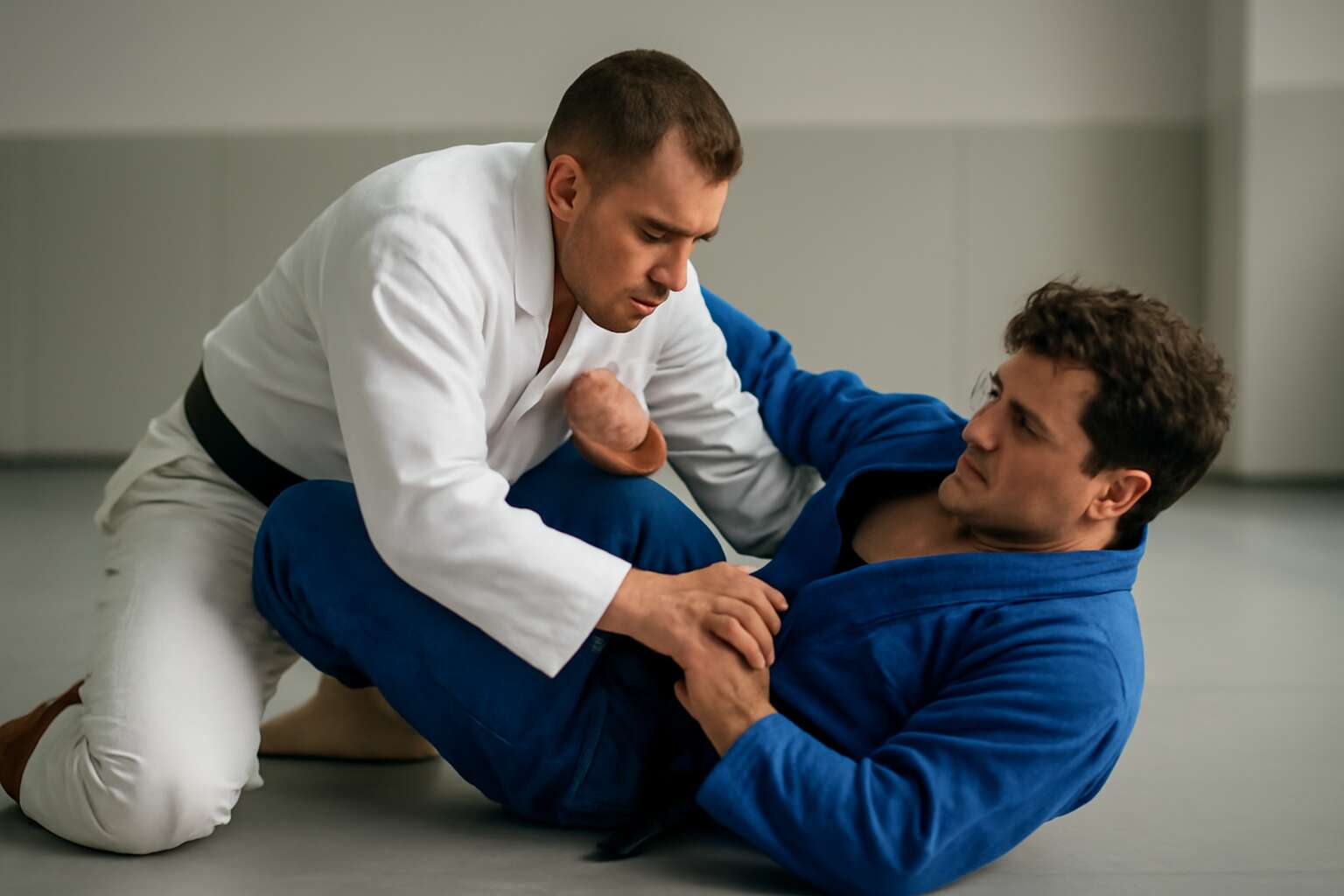
Foundations of Jiu Jitsu and Brazilian Jiu-Jitsu
What is jiu jitsu? Origins, philosophy, and core principles
What is jiu jitsu? Origins, philosophy, and core principles unfold as this martial art uses leverage to turn an opponent’s energy into control. Across the globe, the approach remains practical—minimal effort, maximum effect. Whether you call it jiu jitsu or brazilian jiu jitsu, the idea is the same: technique over brute force.
- Leverage over strength
- Posture and balance
- Timing and control
- Patience and flow
Foundations of jiu jitsu and Brazilian Jiu-Jitsu shape daily habits on South African mats, where discipline meets pragmatism. Embracing the quiet language of movement, practitioners learn to read pressure, escape danger, and stay calm under stress!
Brazilian jiu-jitsu: development, competition focus, and culture
Across SA’s mats, foundations in jiu jitsu or brazilian jiu jitsu are less about bravado and more about a patient chess game. Last year, SA tournaments reported an 18% rise in entries, proof that the art’s quiet physics resonates. Whether you call it jiu jitsu or brazilian jiu jitsu, the core is the same: leverage, balance, and timing that turn pressure into control.
Foundations shape daily routines and culture. In South Africa, the development path often blends local grit with global cadence. The focus is competition-ready technique, but with a community that values restraint and respect. Consider these pillars:
- Technique under pressure
- Strategic sparring and feedback
- Mentorship and mat culture
From there, the culture expands beyond belts—discipline, patience, and flow guide trainees from first roll to the roar of a tournament. The journey is as much about self-mastery as it is about wins on the scoreboard.
Key positions and grips: from guard to mount
On South Africa’s mats, foundations are measured in patience and posture. “Control is the art of making the mat tell the truth,” a seasoned coach says, and that ethos underpins every drill in jiu jitsu or brazilian jiu jitsu. The path begins with balance, light feet, and a quiet mind—the kind of discipline that makes pressure productive rather than punishing.
- Guard work: frames, hip movement, and space control
- Pass and setup: sleeve and collar grips guide the turn to top
- Mount transitions: underhooks and steady base seal the finish
From guard to mount, the flow hinges on posture, grip discipline, and tempo—fundamentals that keep craft ahead of bravado on the SA mats.
Safety, etiquette, and injury prevention in training
On South Africa’s mats, foundations aren’t flashy—they’re felt. A SA coach reminds us: “The mat reveals intent faster than the eye.” Foundations of jiu jitsu flow from patience, posture, and respect, turning pressure into clarity and keeping training alive through every roll.
Safety and etiquette aren’t afterthoughts; they’re the gears that keep training productive. Core values guide every roll, especially in Brazilian jiu jitsu spaces where respect and safety shape outcomes.
- Respect for partners and the mat
- Clear communication and safe tapping
- Clean gear and personal hygiene
- Spatial awareness and boundaries
In SA circles, that etiquette anchors every handshake, reset, and safeguard against missteps. The art breathes through discipline.
Techniques and Strategy: From Defense to Submissions
Guard play basics: closed guard, open guard, and grips
Guard work is the hinge of jiu jitsu. From defense to submissions, your hips and grips carry the tempo. In jiu jitsu, the guard isn’t a retreat; it’s a launchpad. Closed guard, open guard, and steady grips turn pressure into control, whether you train in a Durban gym or a Cape Town dojo, where the pace sharpens each week.
Key guard basics include the right grips and position awareness that flip risk into leverage:
- Closed guard grips: collar and sleeves
- Open guard concepts: leg frames and hip mobility
- Key grips: sleeve, lapel, and pants for posture
From defense to submission, strategy moves with the guard, finding the right angle before any attack. This approach suits jiu jitsu or brazilian jiu jitsu in South Africa, where coaches value timing, pressure, and patience over flash.
Passing the guard: effective strategies and common passes
Guard passes decide the tempo of jiu jitsu matches—one South Africa seminar tracked that nearly 70% of outcomes hinge on the moment a guard is opened.
From defense to submission, the passing game rewards patient grip work, a quiet revolution of posture and pressure.
- Knee slice pass: flatten the guard with hip alignment.
- Torreando pass: circling the legs to create space.
- Over-under pass: secure weight and control the hips.
In brazilian jiu jitsu circles, passing is more about timing and angles than showmanship—coaches value patience over flash.
On South Africa mats, the guard becomes a launchpad for the next move, not a retreat!
Submission fundamentals: chokes and joint locks
On South Africa mats, a striking stat anchors the craft: nearly 68% of outcomes hinge on the moment that a guard opens and a submission threat becomes real. In jiu jitsu, defense cools the room, but strategy sets the tempo—control, timing, and patient pressure turning fortress into opportunity. I see it daily: the transition from defense to submission is less a flare of speed than a deliberate architecture of angles and grips.
Submission fundamentals hinge on chokes and joint locks that disrupt posture and timing.
- Guillotine choke
- Rear-naked choke
- Armbar
- Kimura
From defense to submissions, patience and a measured, almost clinical, sense of rhythm guide the practitioner. In brazilian jiu jitsu, the art is as much psychology as technique—quiet, persistent, and relentlessly efficient.
Sweep and transition concepts: creating advantageous positions
On South Africa mats, tempo wins more than brute speed—jiu jitsu is a quiet theatre where defense rehearses its own ending and offense writes its clock. In brazilian jiu jitsu, the art leans on patient geometry: angles, grips, and the architecture of control.
- Angle control and misdirection
- Grip discipline and transitions
- Base, posture, and weight distribution
- Timing and feints
From defense to submission, the sweep becomes a bridge between rooms. The aim is to craft advantageous positions with patient breath—no hurry, no noise—where every transition invites a calculated move. Strategy in jiu jitsu hums softly, yet it never forgets the feast for the mind.
No-gi considerations: how technique differs without the gi
Training Formats, Gear, and Competition Preparation
Gi vs No-Gi: what to expect and how to train for each
Training formats in jiu jitsu or brazilian jiu jitsu offer rhythm and resilience: structured classes, targeted drills, and open mats where technique meets tempo. In South Africa, clubs blend fundamentals with situational sparring, ensuring steady progress for newcomers and seasoned players alike. The result is a living practice that keeps brazilian jiu jitsu dynamic and engaging.
Gear in jiu jitsu can feel like armor for the mat. Gi days reward grip work; No-Gi days reward speed and control. Hygiene and fit matter every session.
- Gi: cotton jacket, belt, proper wash
- No-Gi: rash guard, grappling shorts
- Safety: mouthguard and knee supports
Competition prep in brazilian jiu jitsu varies by format. Gi rounds emphasize fabric grips and leverage; No-Gi tests speed and squeezing power. South Africa’s circuits bring heat, mats, and travel into focus, while coaches balance drills with sparring to cover both formats.
Essential gear and apparel: gis, rash guards, belts, and hygiene
On South African mats, rhythm is more than a metronome—it’s strategy. Training formats in jiu jitsu or brazilian jiu jitsu offer structure: structured classes, skill-focused drills, and open mats where technique collides with tempo. Clubs blend fundamentals with situational sparring, letting newcomers and veterans climb together and keep the practice lively—no egos, just tempo.
Gear is your armor for the mat, and in jiu jitsu or brazilian jiu jitsu, the right setup can change the day. Gi days reward grip work; No-Gi days reward speed and control. Hygiene and fit matter every session.
- Gi: cotton jacket, belt, proper wash
- No-Gi: rash guard, grappling shorts
- Safety: mouthguard and knee supports
Competition prep in brazilian jiu jitsu varies by format. Gi rounds lean on fabric grips and leverage; No-Gi tests speed and squeezing power. South Africa’s circuits bring heat, mats, and travel into focus as coaches balance drills with sparring for both formats.
Competition prep: rules, scoring, and mental preparation
On South African mats, the shadow of tempo shapes every roll. In jiu jitsu or brazilian jiu jitsu, training formats create maps for progress: structured classes that build fundamentals, skill-focused drills that sharpen timing, and open mats where technique earns its tempo under pressure.
Gear is more than gear—it’s your mat armor. The gi anchors grip-based days; No-Gi emphasizes speed and control. In SA gyms, fit, hygiene, and proper care turn practice into consistent routines that stay sharp session after session.
Competition preparation follows its own quiet logic: understanding the rules, grasping scoring psychology, and training the mind to stay calm under scrutiny. Across formats, jiu jitsu or brazilian jiu jitsu demands focus that translates from training into competition and beyond.
Progression, Conditioning, and Injury Prevention for Grapplers
Structured training plans for beginners to advanced
“Progression is architecture, not improvisation,” a phrase echoed in South Africa’s gyms as grapplers map from base grips to live pressure in jiu jitsu or brazilian jiu jitsu. A patient arc builds a durable, adaptable game.
- Foundation: positions, posture, breathing
- Development: grips, transitions, sparring
- Application: tempo drills
Conditioning should mirror the sport’s demands: strength, cardio, mobility, and mental resilience. For grapplers, conditioning for jiu jitsu or brazilian jiu jitsu means quality work—short, sharp efforts and ample recovery—so the body absorbs grips and scrambles without breaking.
Injury prevention sits at the core of training: consistent warm-ups, adaptive loading, and breathable recovery, with longevity on the jiu jitsu or brazilian jiu jitsu mat rewarded by discipline and listening to the body’s signals.
Conditioning, mobility, and strength for jiu jitsu athletes
Progression in grappling is architecture, not improvisation, and it shows up in jiu jitsu or brazilian jiu jitsu as a steady climb from base grips to live pressure. A patient arc builds a durable game, one that adapts to bigger partners and tougher mats in South Africa gyms!
Conditioning should mirror the sport’s demands: quality work—short, sharp efforts with ample recovery—so the body absorbs grips, scrambles, and transitions without breaking. Mobility, strength and breath control are the trio that keeps you on the mat after a long week of rolling.
- Elements: short, focused conditioning blocks
- Elements: grip and core strength
- Elements: active recovery days
Injury prevention sits at the core of training: consistent warm-ups, adaptive loading, and breathable recovery. In South Africa’s gyms, longevity on the mat rewards discipline and listening to the body’s signals, from joint pain to fatigue, so you can stay in the game season after season.


0 Comments