Cauliflower ear basics in Brazilian Jiu Jitsu
Definition and anatomy of cauliflower ear
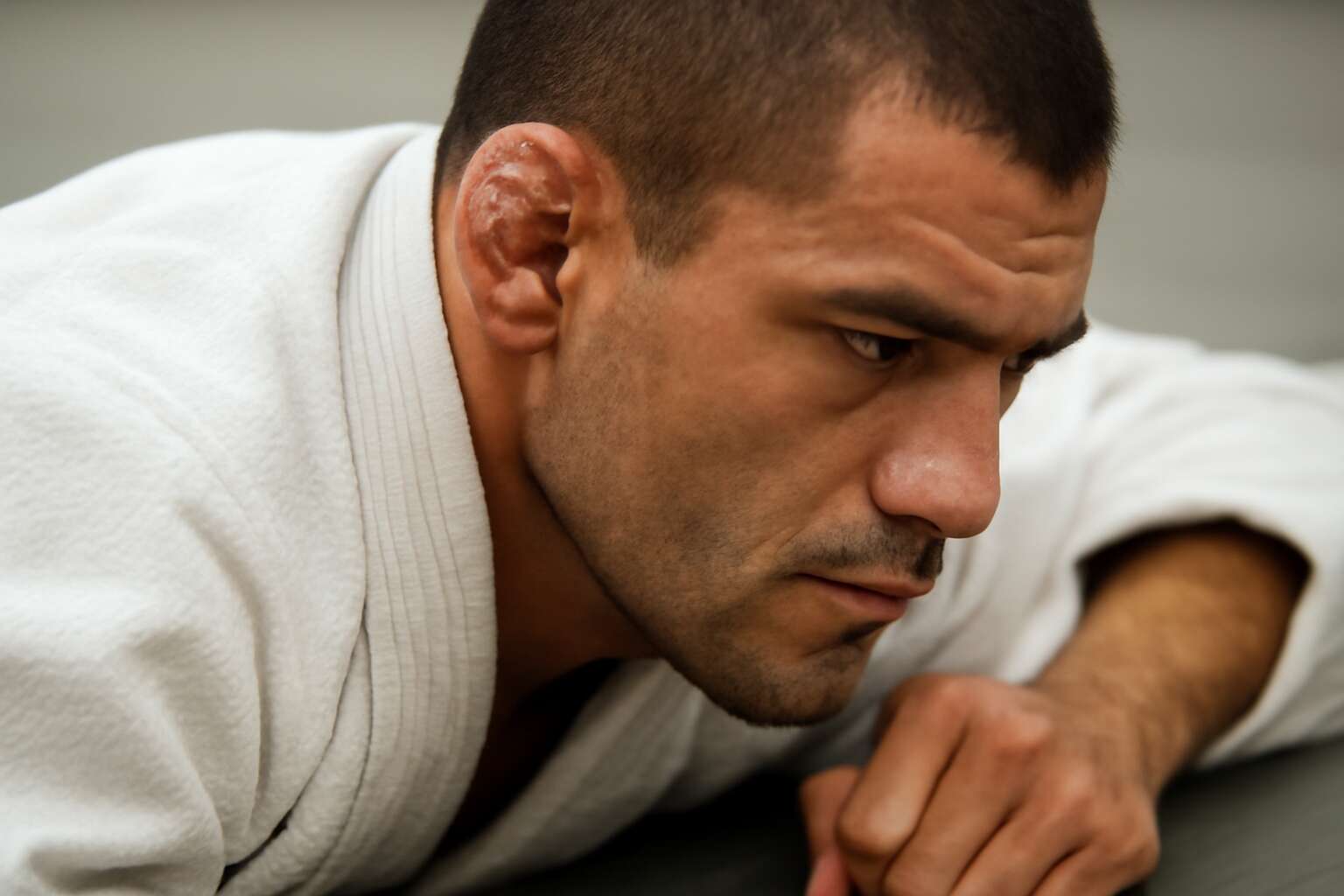
On the mat, cauliflower ear is less a badge of swagger and more a stubborn memoir of contact—the echo of every grip and roll. I’ve watched it emerge after relentless drills; in Brazilian Jiu Jitsu, the anatomy of trauma matters as much as technique. For brazilian jiu jitsu ears, a hematoma between the ear cartilage and skin swells, and without relief, fibrocartilage hardens into a protective lump—an emblem of relentless pursuit and crowding pressure on the ear’s delicate architecture.
A quick anatomy snapshot:
- Pinna and cartilage layers
- Hematoma and perichondrial separation
- Fibrosis leading to lump formation
Across South Africa’s gyms, I’ve noticed how even a small swell speaks of hours spent on the mat, shaping a culture that values resilience and craft as much as endurance.
Why practitioners are prone to ear injuries in BJJ
In South Africa’s grappling rooms, cauliflower ear reads like a memoir—bold, stubborn, and earned on the mat. Cauliflower ear basics in Brazilian Jiu Jitsu reveal how continuous contact reshapes the ear’s landscape. For many explorers of the sport, brazilian jiu jitsu ears become a visible ledger of practice, pressure, and technique, a quiet testament to the intensity of every roll.
Likely culprits include repeated skin-splits of the perichondrium and the ear’s delicate cartilage, which invite fibrosis and a lump. Consider these factors:
- Frequent head-to-head pressure during grips
- Repeating rolls with insufficient recovery
- Close-quarter exchanges that crowd the ear’s anatomy
- Unprotected contact during takedowns
This is the mat’s quiet grammar—every clash writing itself into the ear’s shape, a testament to the sport’s unforgiving cadence.
Recognizing early signs and symptoms
In South Africa’s grappling rooms, ears write their own memoirs on the mat. “The ear remembers every roll,” a veteran once said, and brazilian jiu jitsu ears tell the truth with every swelling. Cauliflower ear basics map a delicate dance between cartilage and pressure, a ledger open to the trained eye.
Recognizing early signs and symptoms is a quiet art. Be alert for the following on the mat:
- Tenderness and warmth around the ear after training
- Persistent swelling that lingers beyond a single session
- Palpable lump or uneven contour developing on the outer ear
- Discoloration or a sense of pressure within the ear
These signals map internal pressure and tissue response, narrating the ear’s evolving contour and reminding us of the sport’s quiet gravity—where every roll writes itself into the ear’s shape.
Causes unique to grappling sports
South Africa’s grappling rooms have a telltale chorus: the roll, the grip, and the unmistakable whisper of cauliflower ear. Roughly one in four first-year BJJ students notices ear changes within six months, a statistic that makes brazilian jiu jitsu ears hard to ignore. The ear’s memoirs begin with subtle swelling and warmth, then quietly etch a tougher contour onto the side of the head.
Cauliflower ear basics map a delicate dance between cartilage and pressure, a ledger the trained eye reads. Repeated trauma to the ear during clinches and scrambles creates a hematoma between the cartilage and perichondrium; if the blood lingers, nourishment is cut off and fibrous tissue hardens the ear into a stubborn lump.
Causes unique to grappling sports include:
- Continual side pressure from opponent weight during scrambles
- Repeated ear hematomas from aggressive grips and rolls
- Inadequate recovery between sessions allowing swelling to persist
On South Africa’s mats, the ear’s shape becomes a quiet ledger of every roll, a testament to the sport’s gravity.
Causes and risk factors for cauliflower ear in grappling arts
Common ear trauma during training and competition
Causes and risk factors for cauliflower ear in grappling arts aren’t born from a single brutal strike; they emerge from a pattern of pressure, friction, and timing that reward persistence over luck. For brazilian jiu jitsu ears, the drama plays out in the margins: a tight grip, a misread scramble, cartilage swelling as sessions accumulate, and a stubborn resistance to returning to normal.
Common ear trauma during training and competition often results from three recurring scenes:
- Repeated blunt contact during grips and guard battles
- Shearing forces from head-to-head clashes in close quarters
- Persistent rubbing against mats, gi collars, and the opponent’s elbows
Risk factors cluster around rolling frequency, intensity, and how quickly the ear tissue recovers. Even seasoned practitioners can face cauliflower ear when recovery times are compressed and the cartilage bears the brunt of relentless rounds.
Impact of technique and grip pressure
When cartilage meets relentless contact, a stubborn swelling marks the ear—an evidence of patient, cumulative strain. Fact: nearly half of competitive grapplers report ear swelling after a season. For brazilian jiu jitsu ears, the story is about pattern and grip pressure more than one brutal strike.
Technique and grip shape risk as much as any blow. Tiny shifts—head position, collar pressure, and the tempo of a roll—set the stage for slow, workmanlike trauma. In close quarters, skin and cartilage wrestle with constant friction and compressive force in South Africa’s grappling circles.
- Prolonged grip pressure that compresses cartilage
- Head-to-head contact during scrambles in tight spaces
- Frequent rolling with limited recovery time
Individual risk factors and age considerations
On South African mats, brazilian jiu jitsu ears whisper the story of years spent under pressure. Nearly 50% of grapplers report ear swelling after a season, a stubborn signal that cumulative trauma is at work—etched into cartilage and skin.
Individual risk factors and age considerations shape who carves these marks. Younger athletes catching growth spurts may have more pliable cartilage, while seasoned competitors bear years of friction and slower recovery. Common risk factors include:
- Prior ear injuries or surgeries
- Genetic predisposition to tougher scar tissue or cartilage fragility
- High-frequency, repetitive contact with limited recovery time
In grappling arts like brazilian jiu jitsu ears, the pattern of contact—close battles and constant skin-to-cartilage friction—fuels the phenomenon over seasons. These risks interact with training age and mat culture, shaping who experiences this condition in South Africa’s gyms.
Prevention and ear protection during Brazilian Jiu Jitsu
Choosing and using ear guards and protective headgear
‘Protect your ears, protect your art,’ a veteran coach likes to say. On South African mats the line lands with thunder and promise, especially for brazilian jiu jitsu ears that bear the tempo of a thousand rolls and remember every grip.
Prevention threads through practice like a quiet spell. Ear guards and protective headgear act as cushions, spreading pressure and dampening twists, allowing technique to flourish without leaving a souvenir in the ear.
Choosing and using ear guards is a ritual of fit, comfort, and breathability. Consider these features:
- Snug, contoured ear guards that cover the outer ear
- Soft inner padding and breathable fabric
- Secure closure that stays in place during rolls
Maintenance is gentle mindfulness—regular inspection, proper storage, and keeping gear clean so it remains a trusted ally on every mat.
Training adjustments to reduce ear trauma
Across South Africa’s grappling circles, cauliflower ear is a badge that speaks volumes—it’s not a rite of passage but a signal that prevention deserves daily attention. In the realm of brazilian jiu jitsu ears, coaching lore notes that ear injuries can account for up to a third of grappling-related ailments in new students. Protect the canvas, and the art endures!
Prevention thrives when practice adjusts how we roll and respond to pressure. Consider these focus areas:
- Rolling tempo and spacing that reduce sustained ear-to-ear contact
- Head positioning and grip management that shield the outer ear
- Coach cues and partner communication that lower high-risk head movements
These shifts keep brazilian jiu jitsu ears safer on South African mats, preserving technique and camaraderie on the journey from open mat to peak performance.
Hygiene and skin care around the ear
On South African mats, brazilian jiu jitsu ears carry more than sound — they carry stories of care and consequence. A telling coaching statistic whispers that ear trauma can cluster early in a grappler’s journey, turning a battlefield of technique into a canvas marked by pressure. Protect the canvas, and the art endures, for prevention begins where attention to the ears becomes daily discipline.
Hygiene and skin care around the ear are quiet guardians of this craft. Cleanliness that respects the skin’s barrier, gentle cleansing with mild soap, and careful drying help keep the outer ear resilient between rounds. Fragrance-free moisturizers, kept light and breathable, support healthy skin without clogging pores or causing irritation. By honoring the ear’s delicate terrain, practitioners sustain comfort, reduce distraction, and keep the focus on technique rather than discomfort.
Warm-up routines and ear-specific prevention drills
On the mat, the rhythm of a warm-up shapes the day’s collision of speed and caution. A coach’s warning still rings in my ear: protection begins the moment you start moving. brazilian jiu jitsu ears deserve that vigilance, because a small error echoes later.
During warm-ups, the focus shifts to neck, shoulders, and breath—tiny checks that reduce harsh pressure when contact arrives. ear-specific prevention drills, done with patience, teach balance and early awareness, so discomfort doesn’t steal attention from technique.
From the fields to the dojo, the lesson is simple: care in the first minutes bears fruit on every roll. When the ears stay calm, the rest of the body follows, and the art endures even through tough rounds.
Importance of rest and recovery days
Protection begins the moment you step onto the mat; on every drill, prevention shapes your defense and your decisions. For those mindful about brazilian jiu jitsu ears, disciplined warm-ups, posture awareness, and measured contact keep the head and ears calm when the pace climbs.
Rest and recovery days are not laziness but leverage. Sleep, good nutrition, and gentle mobility rebuild tissue and slow the bite of inflammation. When the body rests, the reflexes settle and the ears stay temperate through the next roll.
- Quality sleep and hydration underpin tissue repair
- Active recovery through mobility work and light cardio eases fatigue
In South Africa’s mats, coaches remind us that care in the days between sessions yields sharper technique and longer journeys on the foam.
Treatment options and recovery for cauliflower ear
At-home care for minor ear injuries
Cauliflower ear isn’t a myth; it’s the stubborn souvenir a grappler can’t quite return from without. “It’s not if you’ll get ear trouble, it’s when,” an old mat sage quipped. In the realm of brazilian jiu jitsu ears, a swollen lobe tells a story of battles and pressure applied.
Treatment options range from drainage by a clinician to protective padding that helps the ear contour as it heals. If infection is suspected, antibiotics may be prescribed. Early medical care reduces deformity and speeds return to rolling; chronic cases may require adjustments to restore symmetry and comfort in brazilian jiu jitsu ears.
Recovery hinges on patience and protection: rest, a cautious return to contact, and vigilance to avoid reaccumulation. For minor ear injuries, at-home considerations involve hygiene, minimizing pressure, and watching for redness or fever. If swelling returns, professional evaluation remains the prudent countermeasure.
Medical evaluation and when surgery is considered
Medical evaluation helps distinguish irritation that settles with time from a stubborn deformation that could compromise performance on the mat in South Africa. For brazilian jiu jitsu ears, persistent swelling, persistent firmness, or warmth signals the need for a clinician’s eye before improvisation.
- Comprehensive assessment by a clinician to check for hematoma reaccumulation, infection signs, and the ear’s contour.
- Conservative options are exhausted or deformity worsens, leading to consideration of surgical contouring or drainage by a specialist.
- Timing matters: surgery is typically staged after swelling subsides to improve symmetry and reduce recurrence risk.
- Postoperative management involves protective padding and careful observation for recurrence.
Recovery hinges on patience and protection; some cases settle with cushioning and rest, while others require longer rehabilitation to return to full training without recontouring.
Surgical options for deformity correction
For brazilian jiu jitsu ears, timing matters: treatment starts with swelling control and ends with a durable, balanced contour. After medical evaluation confirms containment of hematoma, options shift from conservative care to definitive correction as needed. In South Africa, athletes watch for reaccumulation and plan around competition cycles.
When surgery is chosen, the approach aims to restore symmetry and prevent recurrence. The flow may include drainage of persistent collections and precise contouring of the ear’s cartilage, sometimes with suturing to realign folds.
- Incision and drainage to evacuate hematoma
- Cartilage scoring and suturing to re-create the natural ridges
- Cosmetic contouring or minor otoplasty-style reshaping for symmetry
Postoperative protection is essential: padding, light activity, and gradual return to grappling under clinician guidance. Recovery varies; some athletes regain the shape with modest rest, others require longer rehab to train without recontouring.

0 Comments